Source Stainless Steel Busbar Terminals for Cable, PCB, and Car
Compare 30 Stainless Steel Busbar Terminals from Shanghai suppliers with options for cable, PCB, and automotive applications. Evaluate models like SU201 and A-5x25/11 based on current ratings, mounting types, and production processes.
Key considerations
Products List


High Performance Distribution Busbar Terminal Electrical Cable Connector
$0.10 - $3.00
MOQ: 1000 Pieces


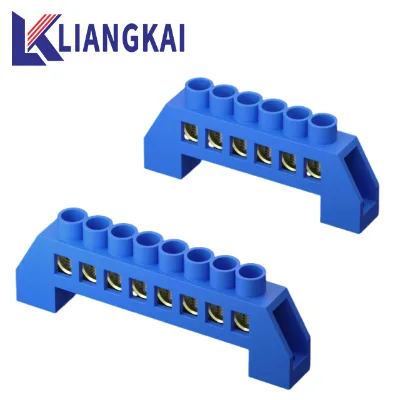


Comprehensive Sourcing Guide
Stainless Steel Busbar Terminals Sourcing Guide
The procurement of Stainless Steel Busbar Terminals requires a nuanced understanding of material properties versus the specific metallurgical realities observed in current market listings. While the core keyword suggests a focus on stainless steel for its corrosion resistance and strength, the available product data indicates a diverse range of conductor materials, including brass, tin-plated copper, and general metal standards. Buyers must carefully distinguish between the terminal housing material and the conductive element, as the electrical performance relies heavily on the conductor's conductivity and the surface treatment applied to minimize resistance.
Sourcing decisions should be grounded in the specific application environment, ranging from general industrial cable and PCB connections to heavy-duty automotive and commercial vehicle applications. The observed product range includes models designed for DIN rail mounting and others featuring pressure welding or screw-fixed terminations, each serving distinct electrical and mechanical needs. Understanding these variations is critical before engaging with suppliers, as the mismatch between the desired stainless steel specification and the actual brass or copper offerings in the catalog can lead to significant performance gaps in high-current or corrosive environments.
Product Scope and Observed Listing Signals
The current market landscape for busbar terminals presents a wide spectrum of product models, from the SU201 to SU300 series and specialized configurations like the A-5x25/11 and F 9x14 designs. These listings reveal that "stainless steel" may refer to the structural integrity of the mounting hardware or the general category of metal components rather than the primary conductor material in every instance. Buyers should expect to encounter products with brass conductors, tin-plated copper surfaces, and iron-plated zinc screws, all of which serve different roles in the assembly and must be evaluated against the specific electrical load requirements of the project.
Listing signals also highlight significant variability in packaging and customization capabilities, with options ranging from 25 pieces per bag to export cartons and single-piece boxes. The availability of customization suggests that many suppliers can adapt the terminal shape, such as the square configurations observed, or modify the mounting hole dimensions to fit specific DIN rail or panel requirements. However, the presence of general environmental protection ratings alongside specific high-current ratings like 375A indicates that not all listed products are suitable for extreme conditions, necessitating a careful review of the "Environmental Protection" attribute for each specific model.
Technical Specifications to Verify
Electrical performance verification must begin with the conductor size and cross-sectional area, which are critical for managing current flow without excessive heating. The observed data specifies conductor sizes ranging from 26 to 16 AWG and cross-sections between 0.14 and 1.5 mm², which directly correlates to the rated current capacities observed, such as 225A or 300A. Buyers must ensure that the selected terminal's current rating aligns with the maximum load of the circuit, as exceeding these limits can lead to thermal failure, particularly in applications involving cars, SUVs, UTVs, and trucks where vibration and high current draw are common.
Mechanical and connection specifications are equally vital, with a focus on the contact termination form and mounting type. The market offers both pressure welding and screw-fixed options, with screw types utilizing M5 or M8 studs and mounting holes of specific diameters like φ6. Verification should include checking the connection standard, such as IEC 60947-7-1, to ensure compatibility with international safety requirements, and confirming the voltage rating, which in some observed models is capped at DC 48V Max. These parameters dictate the physical installation method and the long-term reliability of the electrical connection under stress.
Compliance and Safety Documentation
Safety documentation for busbar terminals must address both the electrical standards and the material certifications that ensure the product meets industry safety benchmarks. While some listings reference IEC 60947-7-1 as a connection standard, buyers should verify if the specific model holds this certification or if it is merely a design reference, as compliance is not guaranteed for every item in a broad catalog. Additionally, the presence of ISORoHS certification in some product data suggests that environmental and hazardous substance restrictions are being addressed, but this should be confirmed for the specific batch to ensure adherence to global regulatory frameworks.
The verification of safety documentation extends to the production process and surface treatments that protect against corrosion and ensure electrical continuity. Products utilizing tin-plated surfaces or specific welding processes require documentation that validates the integrity of these treatments, especially for applications in automotive and heavy vehicle sectors where exposure to elements is frequent. Buyers should request test reports or certificates of conformity that explicitly link the observed surface treatments and production methods to the claimed safety standards, ensuring that the terminal will perform reliably in its intended operational environment.
Cost Drivers and Commercial Terms
Cost structures for busbar terminals are heavily influenced by the raw material composition, with brass conductors and tin-plated copper generally commanding different price points than other metal alloys. The observed price range of 0.01 to 30 USD suggests a wide disparity based on the complexity of the model, the current rating, and the specific surface treatments applied. Buyers must analyze whether the lower price points correspond to standard, off-the-shelf models or if they reflect reduced specifications in terms of current capacity or material purity, as the cost per unit often scales with the robustness of the terminal's design.
Commercial terms such as Minimum Order Quantity (MOQ) and lead times are significant factors in the total cost of ownership, with observed MOQs ranging from 1 to 100,000 units and lead times fixed at approximately four weeks. High-volume buyers may benefit from negotiating better rates given the wide MOQ range, but they must account for the four-week production cycle in their supply chain planning. Additionally, the availability of customized options and the "Good After-Sale Service" advantage noted in the data can impact the overall value proposition, potentially justifying a higher unit cost through reduced risk and better long-term support.
Supplier Qualification and Quality Control
Supplier qualification should prioritize manufacturers with a proven track record, such as those with a factory history of more than 20 years, which often correlates with consistent quality control processes. The observation of a market occupancy rate of more than 60% for certain suppliers indicates a high level of industry trust, but buyers should still conduct their own due diligence to verify that the specific production lines for their required models maintain the same standards. The location of the factory, primarily in Shanghai, China, offers logistical advantages but requires verification of the supplier's ability to manage export logistics and maintain quality consistency across different batches.
Quality control measures must be explicitly defined in the procurement agreement, focusing on the production processes like injection molding and welding that are observed in the product data. Buyers should request evidence of the supplier's internal packaging standards, such as the 25 pieces per bag configuration, to ensure that products are protected during transit and storage. Furthermore, the verification of the "History of Factory" and "Market Occupancy" claims should be supplemented with on-site audits or third-party quality assessments to confirm that the supplier's quality management systems are robust enough to handle the specific technical requirements of the busbar terminals.
Long-Term Procurement Checks
Long-term procurement success depends on establishing a reliable supply chain that can adapt to changing technical requirements and market demands. The availability of customized products and the diverse range of models suggest that suppliers are capable of evolving their offerings, but buyers must maintain regular communication to ensure that the product specifications remain aligned with their evolving project needs. The "Good After-Sale Service" advantage observed in the data should be leveraged to establish a feedback loop for addressing any performance issues or technical queries that arise during the deployment of the terminals.
Continuous monitoring of the product's performance in the field is essential to validate the initial technical specifications and compliance claims. Buyers should track the actual current capacity and voltage ratings against real-world usage data, particularly in demanding applications like trucks and vans, to ensure that the terminals do not degrade over time. Regular reviews of the supplier's lead times and production capabilities will also help in anticipating supply chain disruptions, ensuring that the procurement strategy remains resilient and capable of supporting the long-term operational needs of the business.
FAQs
What customization options are available for these busbar terminals?
Customization is available for these busbar terminals to meet specific project needs. The products support customized configurations and offer good after-sale service. Buyers can request tailored solutions while relying on the established production processes like injection molding or welding.
Which mounting types are supported for these terminal products?
These terminals support DIN Rail mounting types for easy installation in electrical panels. The design accommodates various applications including cables and PCBs. Specific models feature mounting holes of 6mm diameter and use iron plated zinc M5 screws for secure attachment.
Can these busbar terminals handle high current ratings?
Yes, these terminals can handle high current ratings up to 375A depending on the specific model. Some variants are rated for 300A or 225A with voltage ratings up to DC 48V. The conductor sizes range from 26 to 16 AWG to ensure safe operation.
What is the lead time for ordering these busbar terminals?
The standard lead time for ordering these busbar terminals is 4 weeks. This duration applies to the production and delivery process from the Shanghai origin. Buyers should plan their procurement schedules accordingly to ensure timely project completion.
How are these products packaged for export?
These products are packaged in carton boxes or exporting cartons for safe transport. Internal packaging typically contains 25 pieces per bag. Some specific items are packed as one piece per box to prevent damage during shipping and handling.
What certifications do these busbar terminals hold?
These busbar terminals hold ISORoHS certifications ensuring compliance with environmental and safety standards. The products adhere to connection standards like IEC 60947-7-1. This ensures reliability for applications in cars, SUVs, and various vehicle types.
Which materials are used for the bus bar conductors?
The bus bar conductors are made from brass or tin-plated copper materials. These materials provide excellent conductivity and corrosion resistance. The surface treatment includes tin plating to enhance durability and performance in various electrical environments.